Solving a systemic pattern of population loss and economic decline in rural communities is not a linear task. The interlocking aspects of housing infrastructure and functional commercial building availability present a challenge. In a rural area of rugged terrain, such as West Virginia, there is both a social benefit and economic cost that need direct innovative strategy and partnership to balance. The personal benefit of a peaceful home, combined with a robust economy, can be achieved. Time, intent and resources must be allocated towards that goal, which is how Agape functions.
Agape Community Works Foundation serves to reverse rural decline by repurposing and revitalizing vacant public buildings into a functioning community benefit, without sacrificing the natural resources and history that make the communities unique.
Rural areas have a dense history of value extraction, in people and resources. This history has left many communities struggling to maintain the structure and economy to support daily life. A family cannot plant roots and maintain them if there is not an adequate housing supply and the ability to earn a living for their loved ones. Roots grow deeper in soil than in concrete.
.
Rebuilding Rural Economies of Appalachia through the infusion of existing assets with new partners.
Our Guiding Principle:
"Your people will rebuild the ancient ruins and will raise up the age-old foundations; you will be called Repairer of Broken Walls, Restorer of Streets with Dwellings."
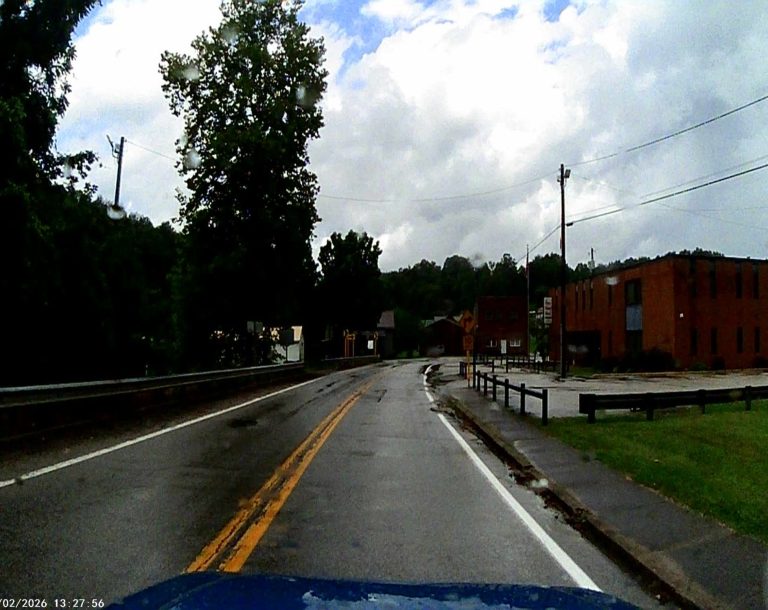
People are genuinely the most valuable asset any community has, but rural communities are finding fewer and fewer people who want to stay and invest in these areas. That trend needs to change. In an era of urban overcrowding, that wave of people and economic forces needs to be redirected.
The program is designed to provide the foundational need of housing to individuals along a larger spectrum, coupled with the strategic support people not only need but deserve. Emergencies happen to everyone, the blue collar worker and the white collar worker both will benefit from the stability program built into the Agape mission.
Alongside the housing needs, Agape is focusing on the innovative partnerships that can rebuild local economies without sacrificing natural resources. Developing digital infrastructure, providing small business incubators, bringing training spaces closer to where the learners live and work. All of these are being developed within the adaptive reuse model.
Agape
Community
Works!
The definition of Agape is a selfless, unconditional Love.
For the founder and millions of others, the pinnacle of Agape is Jesus Christ. His love is incomparable.
While we are all fallible and could never reach that depth of love we are still called to love our neighbor as ourselves.
We need a source of that type of love others do too. We show our faith through being even a cloudy mirror reflecting perfect light.
Agape Community Works is founded on unconditional love, not only for those who think as we do. We want to reflect love that doesn't ask who deserves it.
The community is more than just a collection of people.
It can be described in terms of a location; It can be determined by any number of characteristics of people.
But the communities that succeed are the communities that work, give and live together.
There is support, connections and action that helps to join everyone together.
While Agape describes how we do our work, community is our focus on where we do the work. We are a piece of a puzzle; not the framework. We have a function within a group of individuals. We work by supporting and elevating our partners and beneficiaries.
Works is a fascinating word. It can be straight-forward like its definition: the use of physical or mental effort to do a task, make something or achieve a goal. The work
Additionally it is the action of doing that task. To work
It also describes the functional aspects as in operating correctly or performing as intended. It Works
Addressing the interlocking needs of the community.
Dignity And Partnership "Speak up for those who cannot speak for themselves, for the rights of all who are destitute. Speak up and judge fairly; defend the rights of the poor and needy."
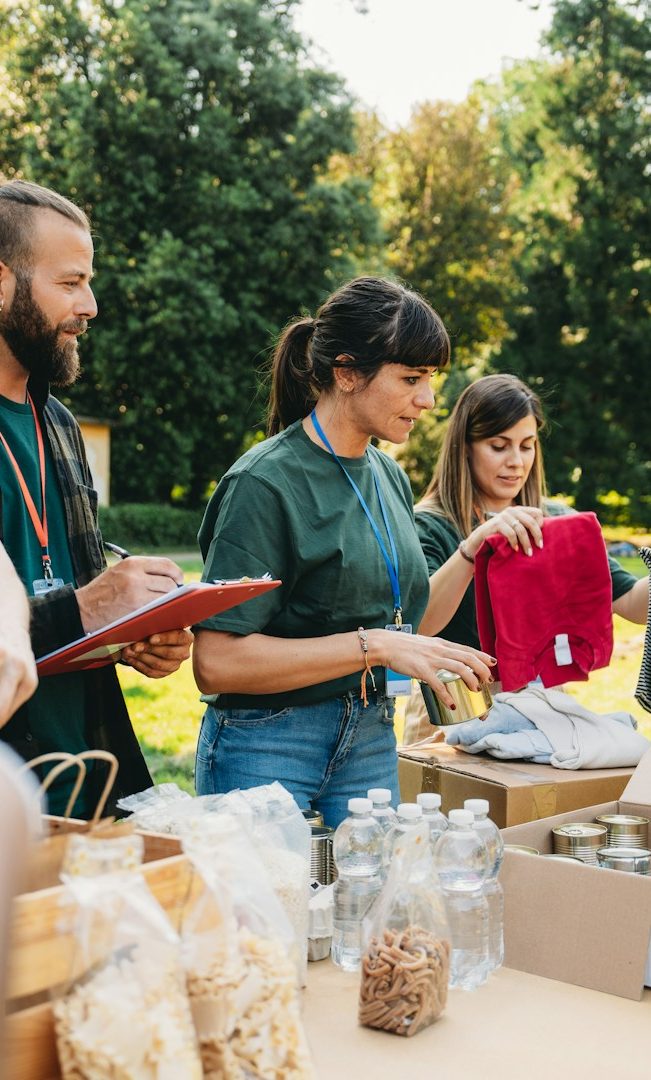
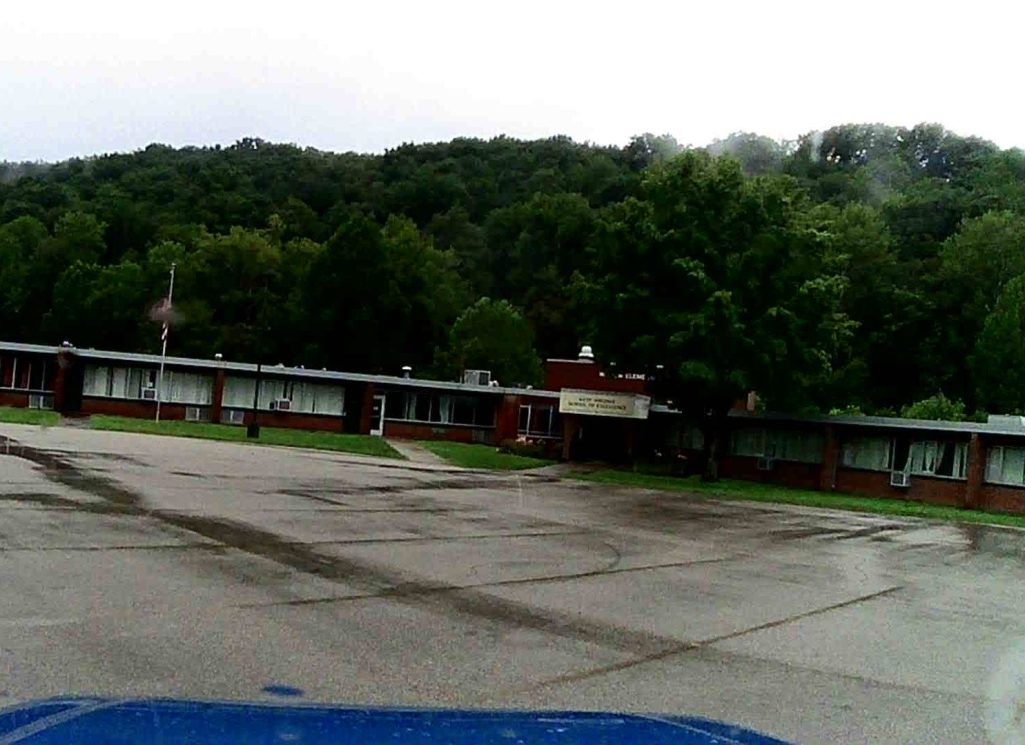
Dignity is one of the strongest drivers of continued growth, but dignity alone is insufficient. Empowerment is also crucial, without a secure economic reality dignified housing collapses. When the two are present the element of knowledge preserves the work.
The relationship between citizens and the organizations that serve them is well documented. When groups work together, progress lasts. When one party carries the whole weight, it does not.
That is why Agape builds with communities rather than for them. Local government brings authority and infrastructure. Residents bring knowledge of what is actually needed. Partner institutions bring expertise. Agape brings the structure that holds them together long enough for the work to take.
See the plan on how Agape will deploy resources through a structure built on faith and evidence.
The solution to a problem is rarely as simple as changing one thing. Problems live at the intersection of multiple areas, and all of them need addressing. Agape sees rural decline as the intersection of housing, employment, and financial knowledge, all within the context of using what is already there to serve the community.
Why Our Work Matters
Tenant Stability Program.
Why?
John 14:2 My Father's house has many rooms; if that were not so, would I have told you that I am going there to prepare a place for you.
No one can be stable without a home. It is more than four walls and a roof. It is stability, shelter and an element of trust. That has been missing too often, that element of trust; on both sides, Agape's goal is to integrate trust dignity into a platform that serves the needs of the lessor and lessee alike.
Workforce Development:
How?
Proverbs 27:17 "As iron sharpens iron, so one person sharpens another."
Miles should never define aptitude. Many West Virginians, in rural appalachia are family-focused and rooted to a place, and that foundation is a strength, one that only crumbles when geography restricts opportunity. Agape applies adaptive reuse to change that: the school that once taught children becomes an education resource for adults, an incubator for new business, or a workspace close to home for people who never had reliable internet access. Simple adjustments, large impacts.
Financial Literacy.
Now What?
Matthew 25:14-30 "You have been faithful with a few things; I will put you in charge of many things. Come and share your master's happiness."
It is easy to go to one end of the spectrum or the other, and with finances both extremes are dangerous. Too much risk or too little can each cause harm. Knowledge and faith are what let a person build a plan, stick to it, and receive the benefits promised.
Adaptive Reuse.
Where?
2 Corinthians 5:17 "Therefore, if anyone is in Christ, the new creation has come: the old has gone the new is here."
Our history is more than the tales of our past. It is the many things we have built; good or bad, in use or not. There can be purpose and benefit to the things of the past. The easiest way is not always the best way but the most efficient way can be. The most efficient path forward often runs straight through what already exists.